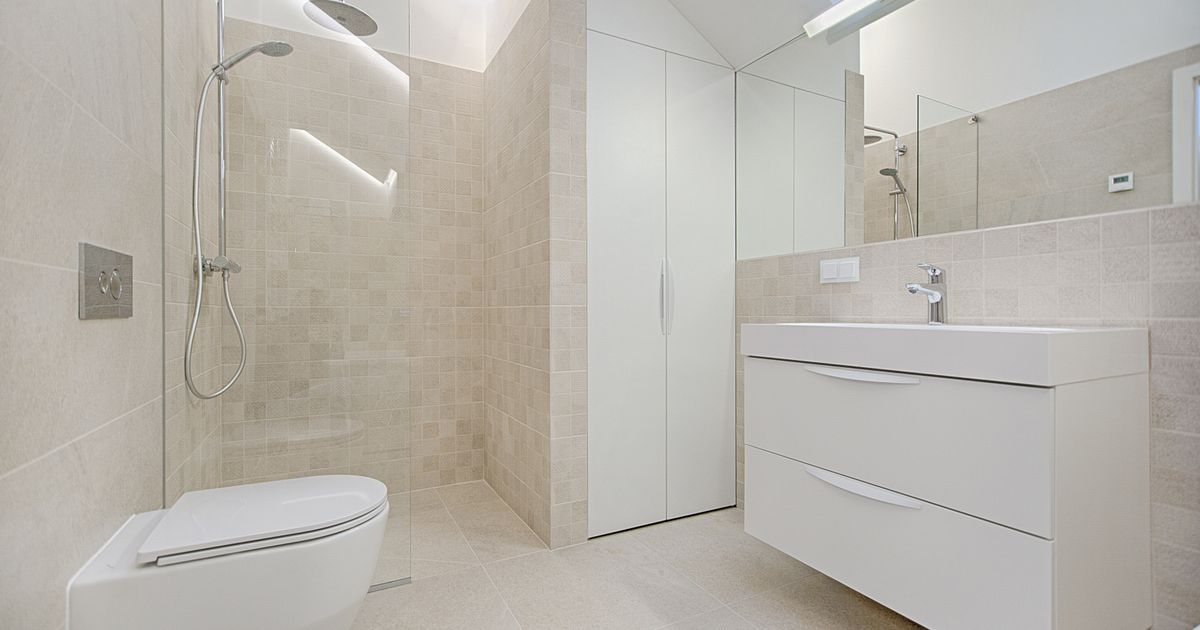
Slide under the jamb — do not caulk a gap
Leaving a chewed gap beside the door casing and filling it with caulk looks like a DIY tell. Pros undercut the jamb and casing so the plank slides underneath with a tight shadow line.
Do this before or as you reach each doorway — fighting a finished row into a square casing wastes planks.
Undercut height trick
A fine-tooth handsaw on the scrap works in tight closets. An oscillating multi-tool is faster on oak casings. Protect the finished floor with cardboard when cutting above installed planks.
- Lay a scrap of your flooring + underlay against the jamb
- Rest a handsaw or oscillating tool flat on the scrap
- Cut through casing and jamb stop until the scrap slides under
- Vacuum dust; test-fit a plank before locking the row
- Leave the expansion gap at the wall — the jamb covers the cut edge
Doorways between rooms
Where flooring meets a different height or material, plan a T-molding, reducer, or doorway threshold — see transition strips and trim. Undercut both sides if the same floating floor continues through.
Do not pinch a floating floor under a heavy door stop without the required gap. The floor must still expand.
Notching vs undercutting
Need tools? Laminate tools checklist. Still ordering? Boxes calculator.
- Undercut: preferred at casings — plank disappears under wood
- Notch: around metal door frames or tile returns that cannot be cut
- Mark notch with the plank in place; cut slightly oversized, then sneak up
- Keep factory edges toward the room when you can