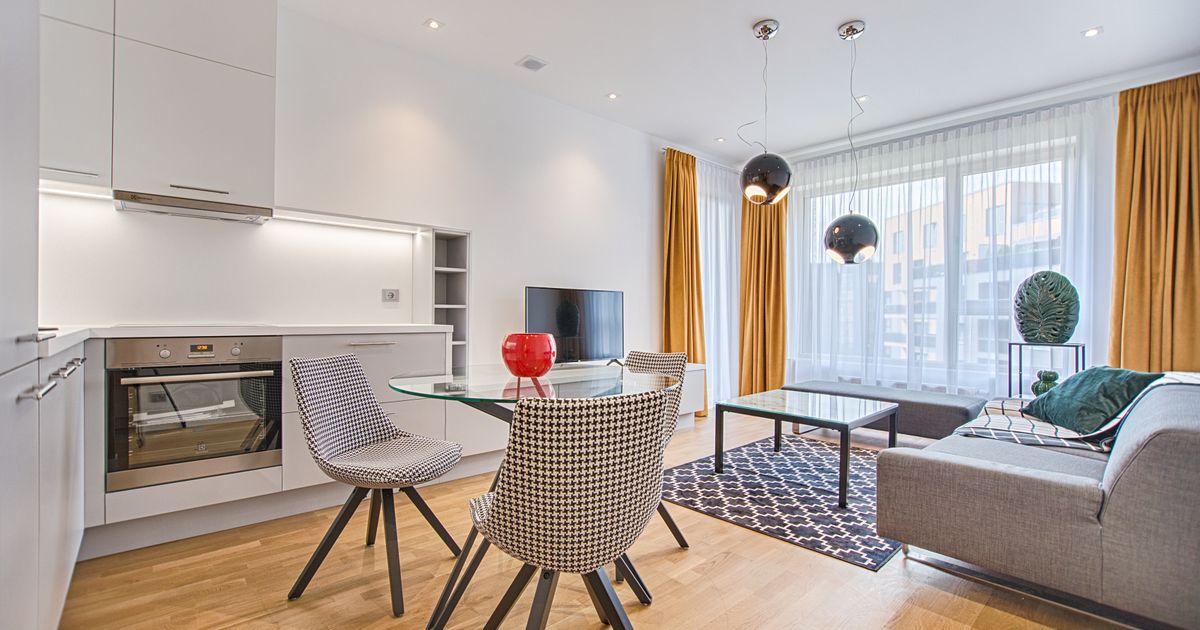
Basic rectangular rooms
Measure wall to wall at the longest points — not always at the baseboard if the room is out of square. Record length and width in feet and inches.
Multiply length × width for square footage. A 12 ft × 14 ft room is 168 sq ft. Enter each room separately in the calculator, then add them for a whole-house total.
Closets, hallways, and L-shaped rooms
- Split L-shaped spaces into two rectangles, calculate each, then add
- Include closet floors if you are running the same flooring through
- Narrow hallways: measure full length × width; add extra waste for many cuts
- Subtract permanent islands only if tile stops at the cabinet base
Common measuring mistakes
- Forgetting to measure into doorways where flooring runs through
- Using carpet sizes when buying laminate boxes (different units and waste)
- Measuring once — verify with a second pass and a sketch
- Ignoring floor registers you will cut around (add waste, not subtract area)
Whole-house measuring workflow
Sketch each room on grid paper. Label dimensions, door swings, and fixed islands. Total square footage in the flooring box calculator with waste from our waste guide before visiting the store.
For open floor plans, measure as one zone if the same SKU runs continuously — otherwise split at transitions where material or direction changes.